

Myths and Facts About Assisted Hatching and ICSI in the Woodlands IVF
In the world of fertility treatments, there are many myths and misconceptions surrounding advanced techniques like Assisted Hatching and Intracytoplasmic Sperm Injection (ICSI) in the Woodlands IVF process. At HART Fertility Clinic, we aim to provide clarity and educate patients about the science behind these treatments. Understanding the facts will help you make informed decisions about your fertility journey.
Both Assisted Hatching and ICSI have revolutionized the success rates of the Woodlands IVF, especially for couples facing challenges related to fertilization and embryo implantation. Let’s take a look at some common myths and the facts that dispel them.
What is Assisted Hatching?
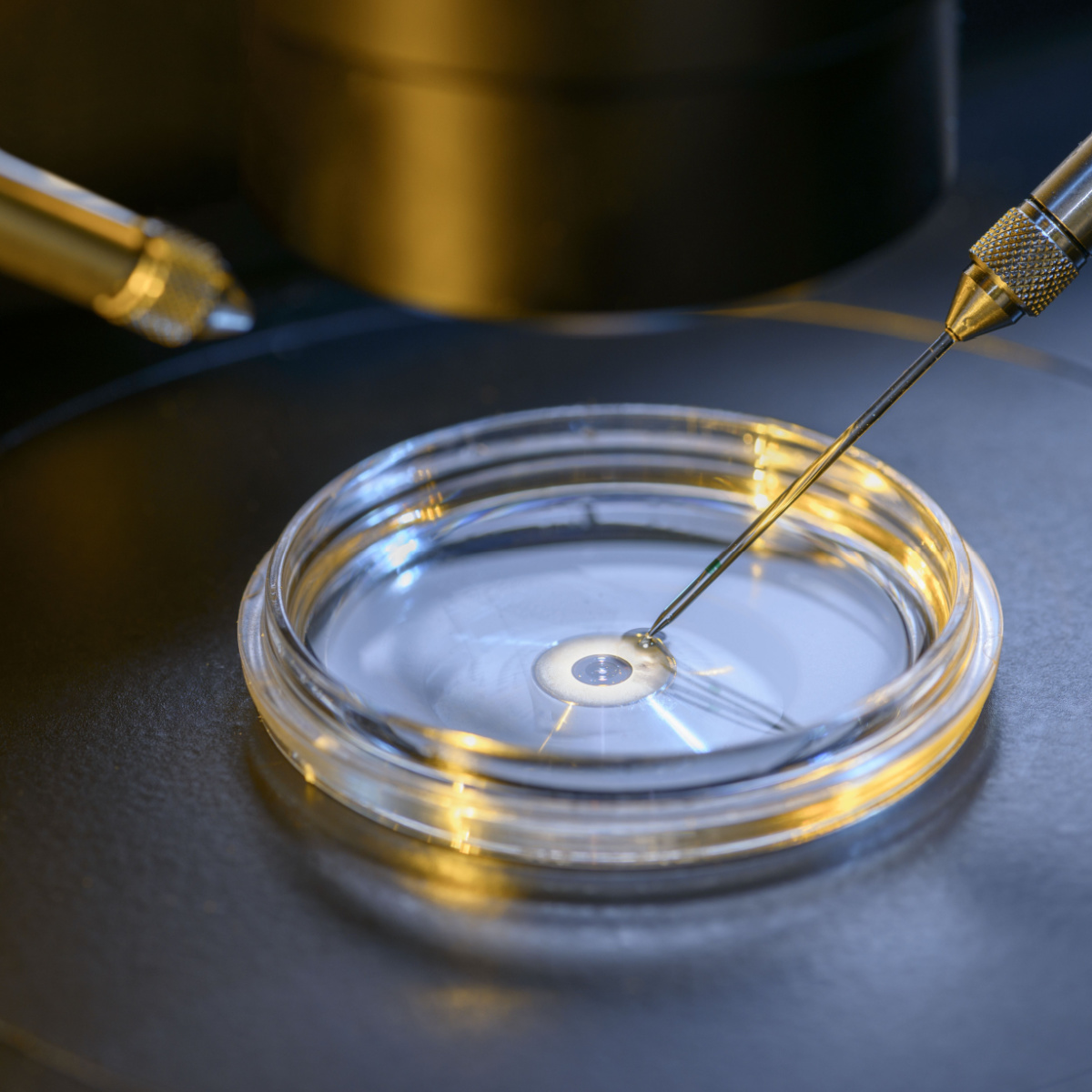
Assisted Hatching is a technique used to improve embryo implantation during the Woodlands IVF process. The procedure involves creating a small hole in the outer shell (zona pellucida) of the embryo, which can help the embryo "hatch" and implant into the uterus. This technique is often used in cases where embryos may have difficulty breaking out of their shell or where previous IVF cycles have resulted in unsuccessful implantation.
When Is Assisted Hatching Used?
- For women over the age of 35, whose embryos may have a thicker zona pellucida
- In cases where previous IVF cycles have failed
- When embryos show poor quality or development
- In cases of male factor infertility, especially when sperm quality is low
What is ICSI (Intracytoplasmic Sperm Injection)?
ICSI is a technique used during the Woodlands IVF process where a single sperm is injected directly into an egg to facilitate fertilization. This method is particularly helpful when sperm motility is poor, sperm count is low, or if previous IVF cycles have not resulted in successful fertilization.
ICSI allows fertility specialists to bypass certain barriers to fertilization, ensuring that the sperm can directly fertilize the egg. It's a cutting-edge solution for male infertility and has significantly increased the success rates of IVF for many couples.
When Is ICSI Recommended?
- Male factor infertility (e.g., low sperm count, poor sperm motility)
- Previous IVF cycles with fertilization failure
- Use of sperm retrieved from testicular aspiration
- When the male partner’s sperm quality is compromised due to medical conditions or age
Myths and Facts About Assisted Hatching and ICSI
Myth #1: Assisted Hatching is a “Magic Fix” for All IVF Cycles
Fact: While Assisted Hatching can improve implantation rates for certain embryos, it is not a guaranteed solution for all cases. It is typically used when there are specific concerns, such as thickened zona pellucida or past IVF failures. Assisted Hatching is only recommended when there is a medical need, and it must be carefully evaluated by a fertility specialist.
Myth #2: ICSI is Only for Severe Male Infertility
Fact: Although ICSI is highly beneficial for men with severe male infertility, it can also be used in cases where fertilization issues arise for other reasons, such as poor egg quality, previous fertilization failures, or advanced maternal age. In fact, many women with unexplained infertility or those over 35 benefit from ICSI as it improves fertilization rates.
Myth #3: Assisted Hatching Can Be Performed on All Embryos
Fact: Assisted Hatching is not appropriate for all embryos. It is only recommended in specific cases where the outer shell is preventing successful implantation or when there are other underlying fertility issues. Fertility specialists at the Woodlands fertility clinic use advanced imaging to determine whether this procedure is necessary for a particular embryo.
Myth #4: ICSI Can Lead to Genetic Abnormalities
Fact: There is no evidence to suggest that ICSI directly increases the risk of genetic abnormalities. However, it’s important to understand that genetic testing, such as Preimplantation Genetic Testing (PGT), can help identify any chromosomal issues before embryo transfer. This ensures that only the healthiest embryos are selected, regardless of whether ICSI is used.
Myth #5: Assisted Hatching Guarantees Implantation Success
Fact: Assisted Hatching can increase the chances of implantation in certain situations, but it is not a guaranteed success. Implantation success depends on multiple factors, including embryo quality, uterine environment, and overall fertility health. Assisted Hatching is just one tool in the IVF process that may improve the odds of success.
Myth #6: ICSI Will Solve All Fertility Problems
Fact: While ICSI is an effective solution for male infertility, it does not guarantee success. IVF with ICSI still relies on other factors such as egg quality, embryo development, and the overall health of the uterus. The Woodlands IVF process, when combined with proper monitoring and personalized treatment, maximizes the chances of success, but success is not guaranteed.
Why Choose HART Fertility Clinic for Your IVF Journey?
At the Woodlands fertility clinic, we are committed to helping families blossom through the latest advancements in reproductive technology. Our team of experienced fertility specialists offers personalized treatment plans designed to maximize success rates, whether through Assisted Hatching, ICSI, or other cutting-edge techniques.
By combining compassionate care with innovative treatments, we ensure that each step of your IVF journey is supported by the best technology and the best team. We guide you through the process, answer your questions, and provide emotional support every step of the way.
Contact us today to schedule your consultation and learn more about how our cutting-edge treatments can help you build the family of your dreams.