September 04, 2019

September is Polycystic Ovary Syndrome (PCOS) awareness month

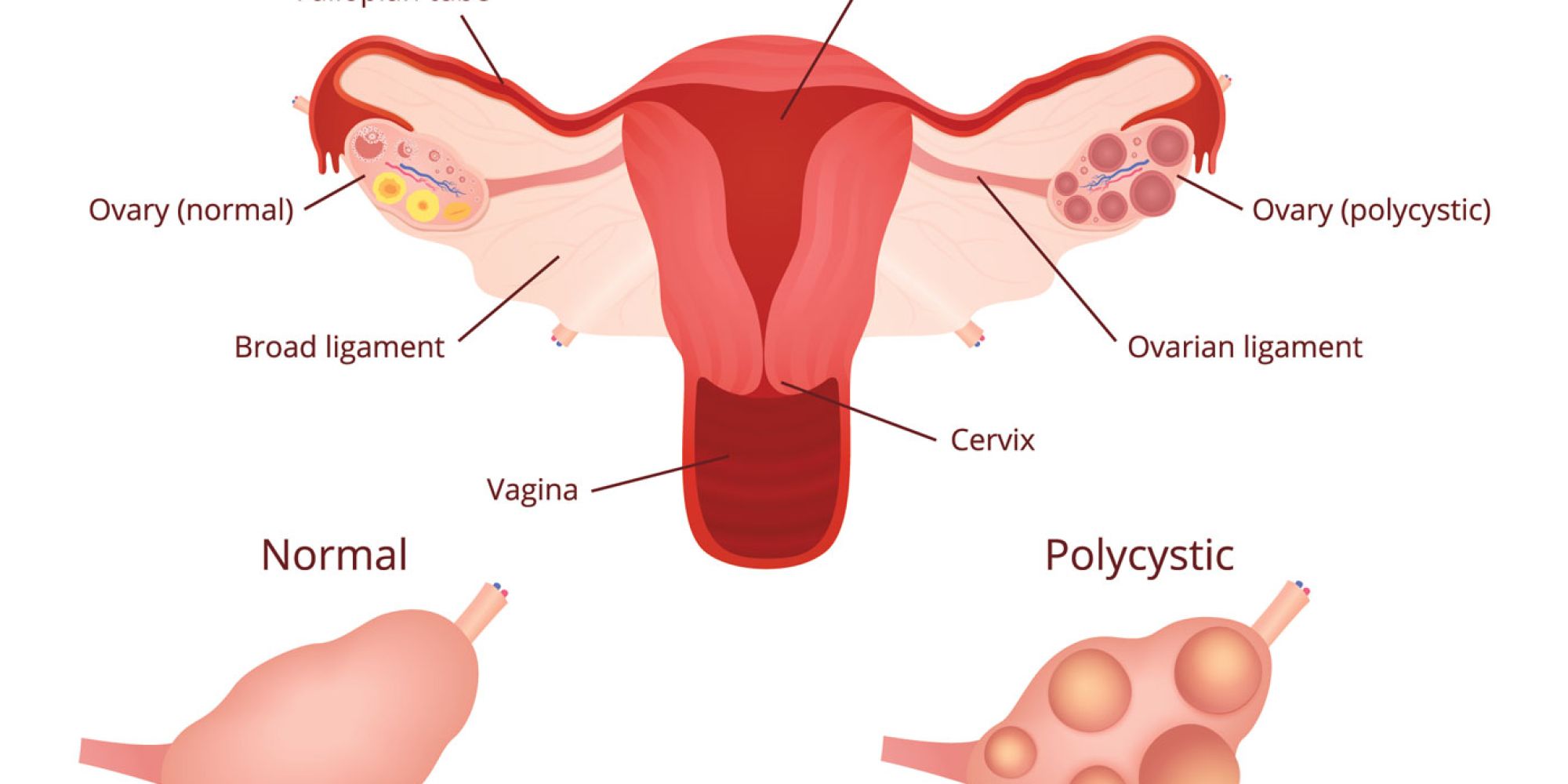
September is Polycystic Ovary Syndrome (PCOS) awareness month. PCOS is the most common reproductive endocrine disorder. It is a life-long disorder which presents with different symptoms at various stages of life. Symptoms include irregular periods due to lack of ovulation, excessive hair growth and acne in adolescence and early adulthood. Weight gain can frequently accompany PCOS which may lead to medical issues seen later in life such as metabolic syndrome. Metabolic syndrome is a constellation of symptoms including insulin resistance leading to prediabetes or overt diabetes, high cholesterol, and high blood pressure. Women with prolonged amenorrhea also may be at risk for uterine cancer later in life.

The diagnosis of PCOS is simple and can be mostly achieved based on clinical presentation. Irregular menses, such as going months without a period due to lack of ovulation, excessive hair growth and/or acne/oily skin may be sufficient to make the diagnosis.  An ultrasound exam may be helpful establishing the diagnosis but not always necessary if women have the aforementioned symptoms. Blood work may be necessary if your physician is concerned about other disorders that may present like PCOS.

The treatment depends on the patient’s age and the goals she would like to achieve. If the goal is to get pregnant, the majority of women respond simple oral fertility treatments such as clomiphene or letrozole. In some women, further treatments may be necessary such as injectable hormone therapies to induce ovulation or in vitro fertilization (IVF). If reproduction is not an immediate goal then control of menstrual cycles and metabolic syndrome is of utmost importance. Menstrual cycles can be regulated using birth control pills or cyclic progesterone pills. Metabolic syndrome can be best controlled through weight loss. Combination of diet and exercise is required to prevent weight gain or to achieve weight loss. Studies have shown that 10% weight loss may resume ovulation in up to 90% of women. High protein and low carbohydrate diets have been shown to successfully assist in desired weight loss.

Your physician at HART Fertility can help assist proper diagnosis and management of PCOS. For help, call us and schedule an appointment to discuss your health and reproductive goals today.

Check Out More News!

Couple visiting our North Houston fertility specialists to consult about IVF with a surrogate

How North Houston IVF With A Surrogate Works

A graphic on the cost of Kingwood IVF

Financing Kingwood IVF: Affordable Options and Tips from HART

Choosing to pursue fertility treatment is a powerful and hopeful decision. For many families, however, one of the biggest concerns is cost. While the dream of parenthood is priceless, planning financially for treatment matters. At HART Fertility Clinic, we believe that building your family should feel possible, not overwhelming. Through transparent guidance, flexible options, and advanced reproductive care, we help families blossom while navigating the financial side of Kingwood IVF with clarity and confidence.
North Houston IVF tech preparing a transfer

Benefits of Undergoing North Houston IVF

North Houston IVF lab tech working with frozen eggs

Can You Undergo North Houston IVF With Frozen Eggs?

Begin Your Path to a Growing Family

Your journey to a growing family begins here at HART Fertility Clinic. With compassionate care and advanced fertility solutions, we’re here to support you every step of the way. Schedule your appointment today.